
Roof Materials Compared by What the Inspection Finds
Shingles show wear across several slopes
Both metal and new shingles deserve a comparison when wear is widespread. Your roofer checks the deck and roof shape, then explains which installation details each choice needs.
Rust marks run below panel screws
Metal needs a closer look at the fasteners, finish and panel condition. Shingles avoid steel corrosion but have their own wear patterns. Your roofer separates a repairable connection from failing material.
Two proposals describe different roof layers
Metal and shingle proposals need matching preparation details for a useful comparison. Removing old roofing, repairing decking and rebuilding flashing affect either choice. Have your roofer explain the differences in scope.
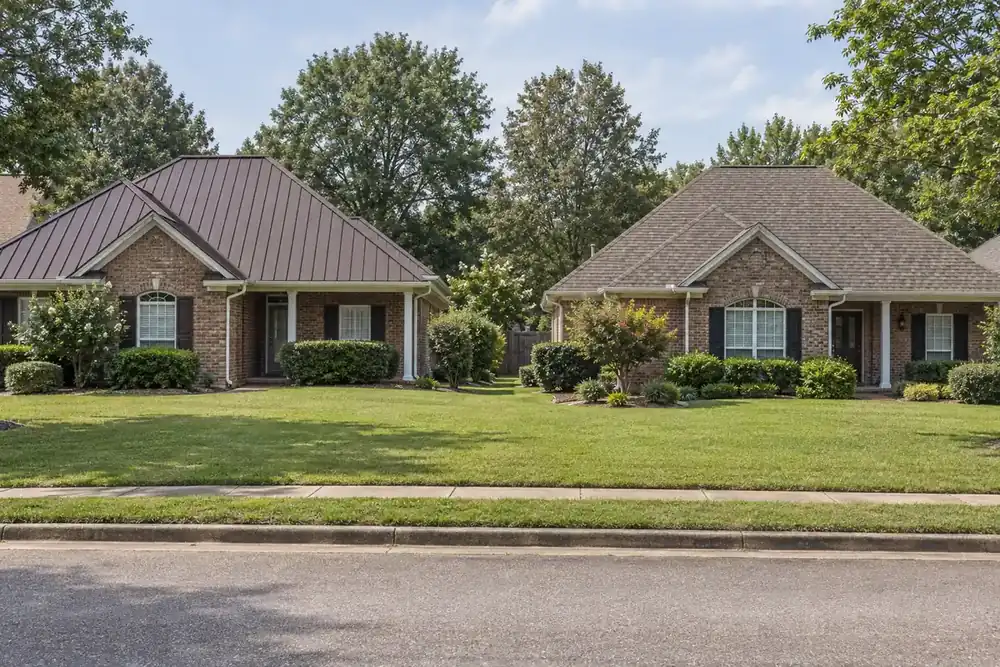
The roof underneath shapes the material choice
Metal and asphalt shingles both need a suitable deck and sound water-shedding details. A house around Olive Branch, Memphis or DeSoto County needs an inspection of the existing roof before either material is ordered. Your roofer records the slope, worn areas, roof openings and condition beneath the covering.
A new surface does not correct soft wood or a poorly detailed chimney joint by itself. The comparison should show how each option handles those findings. Keep the material choice connected to the work the house needs.
| Inspection point | Metal roofing | Asphalt shingles |
|---|---|---|
| Connections | Panel seams, clips or exposed screws need the specified details. | Shingle fastening and overlap need the specified layout. |
| Surface wear | Finish loss, corrosion and damaged panels need assessment. | Curling, cracks and exposed asphalt need assessment. |
| Roof shape | Valleys and short roof sections affect panel layout and trim. | Valleys and roof openings affect cuts and flashing. |
| Existing layers | A recover system needs a suitable existing assembly. | Removal allows the deck beneath old shingles to be assessed. |
| Scope comparison | Identify the panel metal, finish and attachment method. | Identify the shingle product, underlayment and flashing work. |
Service life is a planning range
Metal generally offers a longer service life, but the product and installation matter. GAF's residential roofing FAQ gives general lifespans of 20 to 30 years for asphalt shingles and 50 or more years for metal roofs. Those figures describe broad expectations, not the remaining life of a particular roof.
Your roofer compares the product's published information with the deck, connections and existing wear. A long material lifespan does not remove the need to inspect flashing and roof openings.
Heat and sound depend on the whole assembly
Reflective finishes reduce absorbed sunlight, while the layers beneath the covering influence indoor sound. The U.S. Department of Energy's cool-roof page describes how switching to a cool roof can save money and benefit the environment. Compare the actual products rather than choosing by material name or color alone.
McElroy Metal explains that decking, insulation and underlayment dampen rain noise beneath residential metal roofing. An open carport is a different sound setting from an enclosed house. Your roofer checks the proposed roof assembly when noise is a concern.
Rust and fading need separate inspection notes
Rust concerns the metal beneath the finish; fading concerns appearance. McElroy Metal's residential FAQ identifies the metal substrate as a factor in rust resistance. Your roofer notes whether discoloration comes from a fastener, a damaged finish or deterioration of the panel.
A coating proposal should identify the existing finish and the condition it will cover. New paint does not repair an open seam or replace deteriorated metal. Shingle proposals need an equally clear account of worn material and flashing.
Existing shingles and association rules affect the plan
Metal over old shingles is an option only for a suitable roof assembly. McElroy Metal describes shingle recover systems, while noting that the existing roof's condition matters. Your roofer evaluates layers, trapped moisture, deck condition and the proposed attachment method.
Call while material choices are still open. Any applicable HOA material or color approval belongs in the planning process before ordering. Your roofer also identifies the permit requirements that apply to the address and scope.
Lightning attraction is separate from conductivity
Metal does not attract lightning, according to the National Weather Service. Height, shape and isolation influence where a strike occurs. Conductivity is a separate issue: metal carries electrical current. Choosing a metal covering does not, by itself, establish a lightning protection plan for a house.
Metal roofing cost vs shingles starts with matching scopes
A useful comparison includes the same preparation and repair needs. Roof size does help determine how much metal roofing will cost, but preparation and trim matter too. Metal roofing cost changes with panel type, metal thickness, finish, attachment details and custom trim. Shingle pricing changes with the selected product and installation details. Either scope can grow with steep slopes, difficult access, old layers or damaged decking.
One of our local roofing partners explains the findings and proposed price with you before the work begins. The written scope should separate removal, deck repairs, flashing and the new covering. The replacement price notes explain those factors further. Stay off roofs and ladders; photos taken from the ground or inside are enough to share during the call.